Home › Eat › Food stories › Fagioli di Posina: Scalda e Fasòla del diavolo
RARE ITALIAN FOOD · VICENZA
The bean with the Devil’s name and a taste of chestnut
Two mountain beans, their winter pantry traditions and local addresses for restaurant meals and direct farm sales.
Wine red with black markings, the Devil’s Bean has a firm texture and a flavour reminiscent of chestnut. In the mountains north of Vicenza, Italy, it shares the fields with Scalda, a smaller bean prized for creamy soups. Both are cultivated in small quantities. The addresses below include three valley restaurants to contact about seasonal dishes and a grower selling the beans directly.
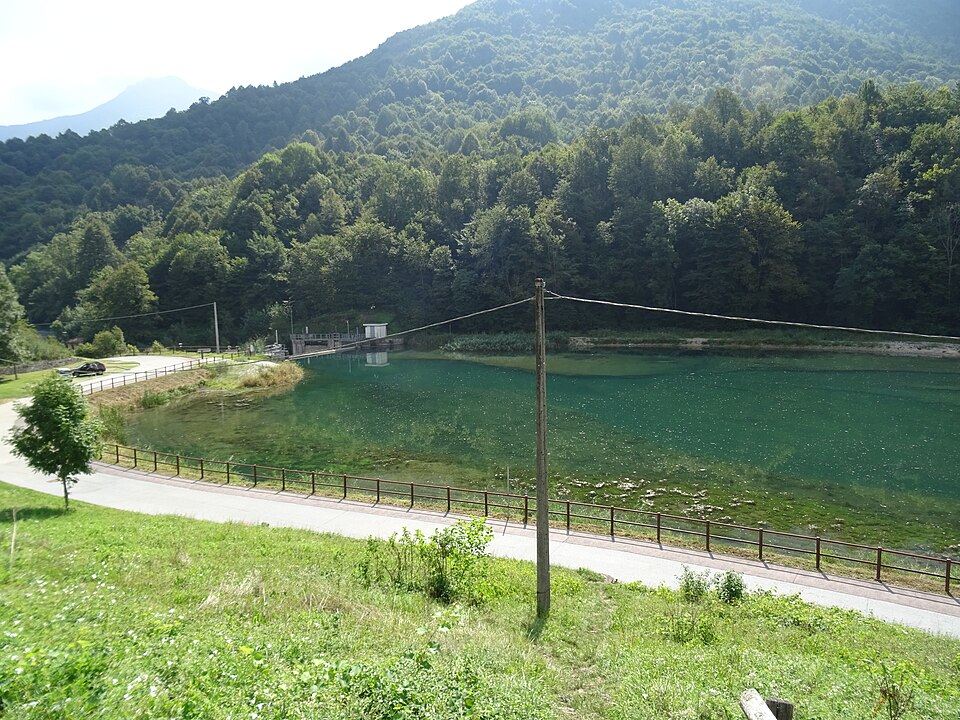
Syrio, CC BY-SA 4.0 via Wikimedia Commons
About
THE DEVIL'S BEAN
The Fasòla del diavolo, or Devil’s Bean, owes its name to the black markings across its wine red skin. It is a local runner bean grown around Posina, in the mountains north of Vicenza, with a substantial texture and a flavour reminiscent of chestnut. Cooked and dressed for a salad, the large beans retain their presence on the plate; in soup, they contribute flavour and substance. The climbing plant produces scarlet flowers and can reach more than four metres. Its harvest extends through September and October, sometimes continuing until the first frosts. Botanically, it belongs to Phaseolus coccineus, a different species from the smaller Scalda bean grown in the same valley.
A REPUTATION RECORDED IN 1936
Scalda has a less theatrical name and a distinguished culinary history. A 1936 agricultural handbook, cited by Vicenza’s provincial food portal, listed the bean known as Posena among the most highly valued in trade. The portal associates that historical description with the Scalda cultivated locally today.
Its small, pale beans have fine markings, a sweet flavour and a floury interior. Their tender skins hold together during cooking, making them suitable for vegetable soups and stews. Sieved or puréed, they provide a creamy base for pasta e fagioli, the Italian soup of pasta and beans.
THE WINTER PANTRY
Older cultivation methods made careful use of the valley’s farmland. Beans climbed maize stalks or grew in strips alternating with potatoes. After harvest, pods dried on racks in ventilated attics and were shelled as needed. The local record describes a cloth storage bag enclosed in a second bag of bread paper. Some households placed a piece of metal cutlery among the beans in the hope of discouraging mould and weevils, the insects that damage stored seeds. It was a domestic precaution recorded alongside the more practical business of drying and storing the crop.
IN THE SOUP POT
The two beans offer different pleasures: Scalda gives a smooth, sweet base, while the larger Fasòla provides a firmer bite. Both belong in minestrone, the substantial Italian vegetable soup. One particularly local recipe for pasta e fagioli, published by the Gambellara wine consortium, combines Posina beans with celery from Rubbio, potatoes from Rotzo and olive oil from Nanto, all places in Vicenza province. Lard and a ham bone enrich the broth, while some beans are reserved whole before the rest are blended. Several of the province’s agricultural specialities meet in the same bowl.
WHERE TO EAT POSINA’S TRADITIONAL BEANS ↓
The local De.Co. food catalogue identifies these three restaurants with Posina’s beans. Ask specifically for Scalda or Fasòla del diavolo when booking, as the variety and preparation depend on availability.
FOR A BOWL OF POSINA BEAN SOUP
Ristorante Al Garibaldino
Via Sareo 1, 36010 Posina, Vicenza
Phone +39 0445 748023
The restaurant’s documented local dishes include vellutata di fagioli di Posina, a smooth bean soup, alongside potato gnocchi and game. This is the most clearly documented bean preparation among the three addresses; ask which variety is being used when reserving.
FOR BEANS AND THE VALLEY’S POTATO GNOCCHI
Trattoria Tre Garofani
Via Macello 11, 36010 Posina, Vicenza
Phone +39 0445 748002
Listed in the local bean catalogue, Tre Garofani also specialises in potato gnocchi with a choice of sauces. It offers another reason for a lunch devoted to the valley’s cooking. Confirm the bean dish separately when booking.
FOR ANOTHER VILLAGE TRATTORIA
Trattoria All’Alpino
Via Sareo 13, 36010 Posina, Vicenza
Phone +39 0445 748019
Another of the village kitchens named in the De.Co. bean catalogue. Contact the restaurant about preparations using the local harvest, particularly for a visit centred on Scalda or the Devil’s Bean.
BUY THE BEANS FROM A GROWER ↓
Azienda Agricola Castelmatto
Via Axe 1, 36010 Posina, Vicenza
Phone +39 340 7897899
Email meneghettiluigina@gmail.com
Renzo Benetollo and Luigina cultivate Scalda and Fasòla del diavolo alongside other old bean varieties. They also select and save seed, including varieties grown specifically for conservation.
Their published sales information gives October to February as the usual purchasing period, subject to the small harvest. Contact them before visiting to confirm the available varieties and arrange collection.
GOOD TO KNOW
Ask for the varieties by name. A dish described as “Posina bean soup” may use whichever local beans the kitchen has available. For dried beans, contact the grower about the harvest year, available quantities and collection arrangements.