Home › Eat › Rare & heritage foods › Mais Marano
A CORN INVENTED IN VICENZA
One of Italy’s rarest corn varieties was created in Vicenza (and where to taste it)
Around 1890, a farmer spent twenty years creating a corn variety for Vicenza’s dry soil and for polenta, northern Italy’s cornmeal staple.
Mais Marano survived hybrids, industrial farming and near disappearance. Today this rare Vicenza corn is still grown, milled and eaten, with places where you can taste it, buy the flour and visit the fields.
You have saved two places. Leave your email and you will find them on any device, plus the next drop.
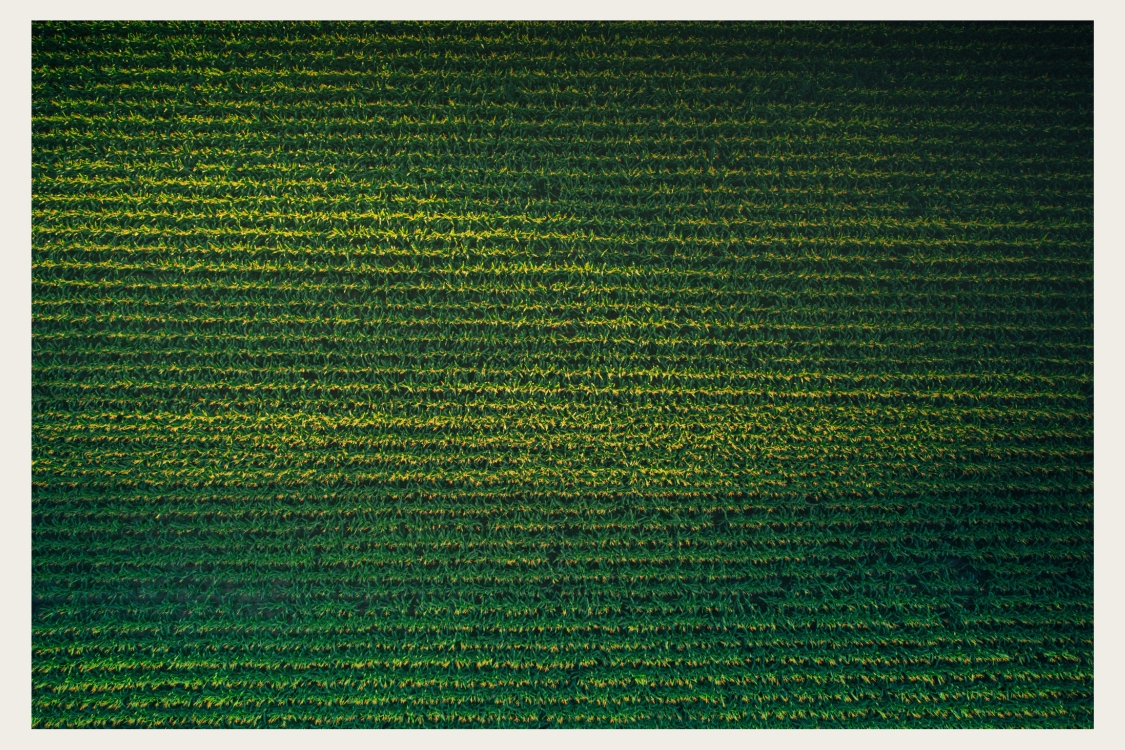
Unsplash
About
About
Around 1890, one farmer in Vicenza crossed two local corns and spent about twenty years selecting the result. He wanted a plant suited to dry, gravelly soil and capable of making excellent polenta. The variety later faced competition from higher yielding hybrids, but it is still grown, milled and eaten today.
THE STORY ↓
WHERE TO EAT IT ↓
VISIT THE FARM ↓
In 1890 a farmer from Marano Vicentino, Antonio Fioretti, decided to create a better corn for his own land. He crossed two local varieties, the Nostrano, early and hardy, and the Pignoletto d’Oro from Rettorgole di Caldogno, with almost red, glassy kernels that were prized for the quality of the flour. Then he kept selecting the result year after year for around twenty years, choosing the best plants and protecting them from unwanted pollination. The result became the Marano Vicentino, with small cobs and orange red kernels, glossy and glassy.
From 1934 it started the work of the experimental maize station, and in 1940 it received the government trademark. Academic research also reconstructs how, to protect the purity of the variety, the growing of other corn around the Fioretti farm was controlled. After the war the American hybrids arrived, more productive, and varieties like the Marano began to disappear from the fields. Slow Food currently lists it in the Ark of Taste. Gambero Rosso, for one, points to bacalà alla vicentina served in Vicenza with polenta made from stone ground Mais Marano.
WHERE TO EAT IT ↓
AGRITURISMO LA MERIDIANA
The farm grows Mais Marano itself. Its current menu includes gnocchi made with Mais Marano flour, and the farm shop also sells the flour and traditional zaletti biscuits.
Via Ca’ Bosco 29
36035 Marano Vicentino
+39 0445 621398
info@lameridianaagriturismo.it
Menus change, so ask what is currently being made with Mais Marano when booking.
VISIT THE FARM ↓
The same farm organises visits on request to its crops and animals, with explanations of the agricultural work. Ask in advance whether the Mais Marano crop can be included in the visit.
BUY THE FLOUR ↓
MAIS MARANO OFFICIAL SHOP
Farina di Mais Marano and products from the local producer network.
Via Pasubio 13
36034 Malo
+39 0445 602087
Good to know before you go
Government mark 1940; Recognition Slow Food Ark of Taste; Protection Consorzio per la Tutela del Mais Marano
The Marano has small cobs and orange red kernels, glossy and glassy. It is not the corn you see in the fields around it, and once you have seen one you recognise it.
Stone ground Marano flour is used for the polenta served with bacalà alla vicentina, and by the bakeries and pastry shops that still work with local grain.
The American hybrids that arrived after the war produced more per hectare. Varieties selected for flavour rather than yield, like this one, left the fields.