Home › Places › Italian design › Barettoni già Antonibon
ITALIAN DESIGN & CRAFT
Italy’s oldest working ceramic factory still uses its 18th century moulds
Book a factory visit to see original eighteenth century moulds, hand painted ceramics and a monumental wood fired kiln.
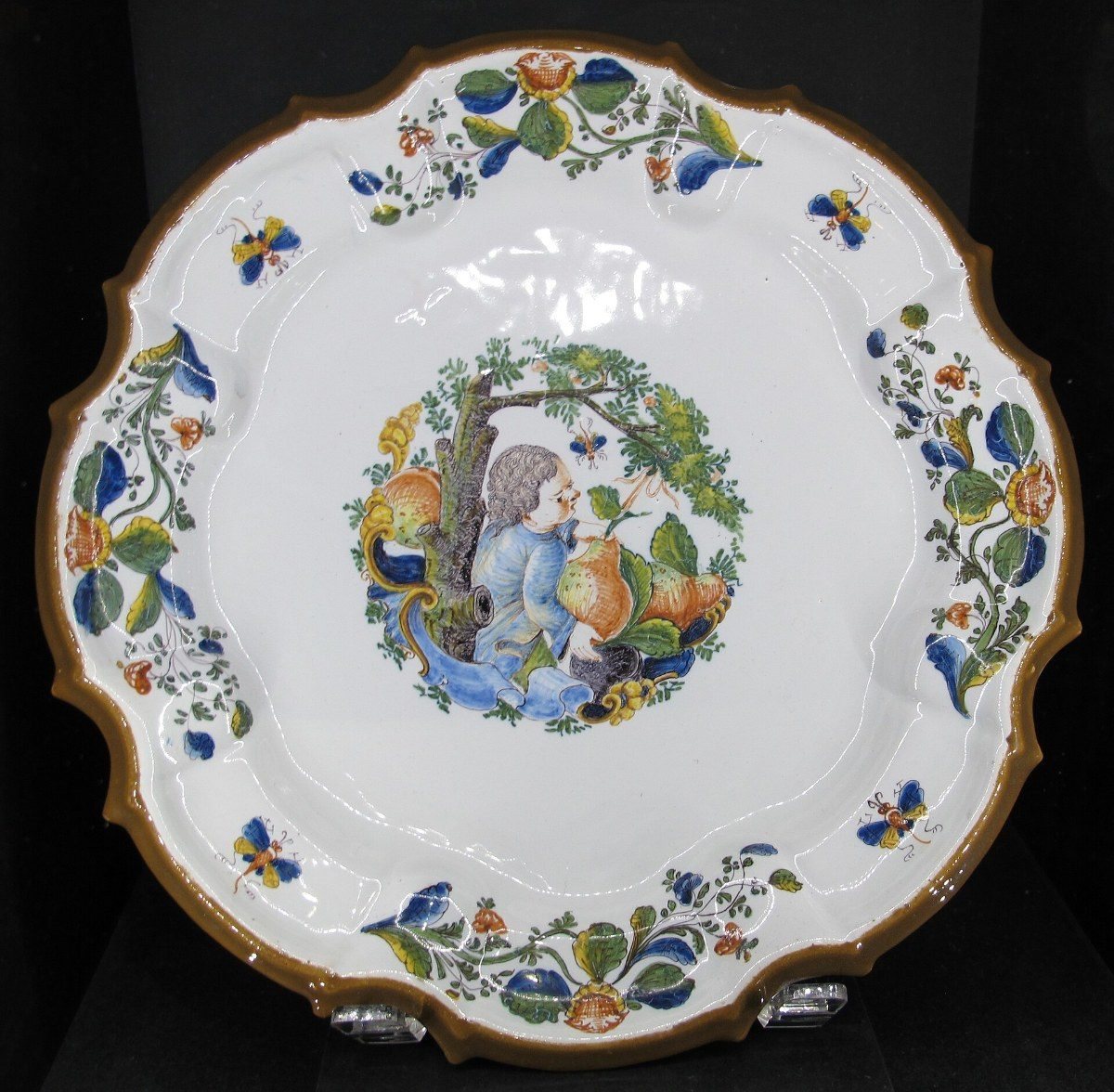
In Nove, the Vicenza ceramic town represented in collections from Ca’ Rezzonico to The Met, Barettoni still works inside the historic Antonibon manufactory. Visits by appointment take you through the production rooms, original eighteenth century moulds and the monumental nineteenth century wood fired kiln.
You have saved two places. Leave your email and you will find them on any device, plus the next drop.
Sailko · CC BY-SA 3.0
Know before you go
Factory visits are by appointment and can include the production rooms, historic house, moulds and the monumental kiln. There is a factory shop on site, so you can leave with contemporary Barettoni tableware made within the same ceramic lineage you have just seen upstairs and behind the workshops. Phone +39 0424 590013 Email barettoni@barettoni.com
About
If Nove is new to you, its ceramics may not be.
Pieces made here in the eighteenth century are now in collections including The Metropolitan Museum of Art in New York and Ca’ Rezzonico in Venice. The Met holds Nove porcelain from the 1760s, including elaborate Rococo tableware, while Ca’ Rezzonico places Antonibon within the great story of European porcelain alongside Meissen, Sèvres and Vienna. The reason begins with the Brenta landscape. Nove grew as a ceramic town beside waterways that powered mills used to grind stones and prepare pigments.
THE STORY
Nove became one of the major ceramic centres of the Venetian Republic during the eighteenth century. The Antonibon manufactory was established here in 1727. In 1732 Giovanni Battista Antonibon received twenty years of duty exemptions from the Venetian Senate and permission to open a shop in Venice. Porcelain production followed in 1762. The Barettoni family acquired the manufactory in 1907 and still owns it today.
Original eighteenth century moulds remain in the factory and are still used for classical production. Their connection with museum collections is unusually direct. Ca’ Rezzonico in Venice holds Antonibon porcelain from Nove, and Italy’s national heritage catalogue records that Barettoni still preserves the plaster mould for the pedestal of one of the Antonibon figures now kept at the museum. The Metropolitan Museum of Art in New York also holds eighteenth century porcelain from the Nove manufactory.
THE KILN
The circular wood fired kiln dates from the nineteenth century. It rises through two floors, with four firing mouths below, inside the same complex as the production rooms and historic house. FAI describes it as a unique surviving example that is still functional.
WHAT IS STILL MADE HERE
Barettoni continues to make ceramics in Nove, including hand painted tableware, pieces produced from historic Antonibon moulds and contemporary collections. A factory shop is open on site