The story
Joseph Losey’s Don Giovanni, released in 1979, used Vicenza as the principal architectural setting for Mozart and Lorenzo Da Ponte’s opera. La Rotonda became Don Giovanni’s residence, while the Basilica Palladiana, Teatro Olimpico, Villa Valmarana ai Nani, Villa Caldogno and other villas provided houses, public spaces and interiors. The decision displaced the action from the Spanish city specified by Da Ponte and placed the drama inside one of Europe’s richest concentrations of Renaissance architecture.
The production belonged to an unusually ambitious period in European cultural filmmaking. Rolf Liebermann, administrator of the Paris Opera, wanted an opera conceived specifically for cinema and capable of reaching an audience far beyond an opera house.
Antenne 2 became involved, Gaumont joined under Daniel Toscan du Plantier and a production originally associated with Patrice Chéreau eventually passed to Joseph Losey. Contemporary French reporting put its budget at around 30 million francs, while later accounts give approximately $7 million.
The gossip file
Losey was a Hollywood exile after the blacklist and had made some of the most celebrated European films of the 1960s and 1970s before Don Giovanni. He settled in Britain and later made The Servant, Accident and The Go Between with Harold Pinter. His films frequently examined wealth, class, sex and power through houses and interiors, which gave the Palladian villas a purpose beyond architectural display.
La Rotonda was made to appear accessible by boat. A mute servant dressed in black, absent from Mozart and Da Ponte, was invented by Losey and shadows Don Giovanni throughout the film. The singers recorded the principal soundtrack before filming.
Then there was the real estate
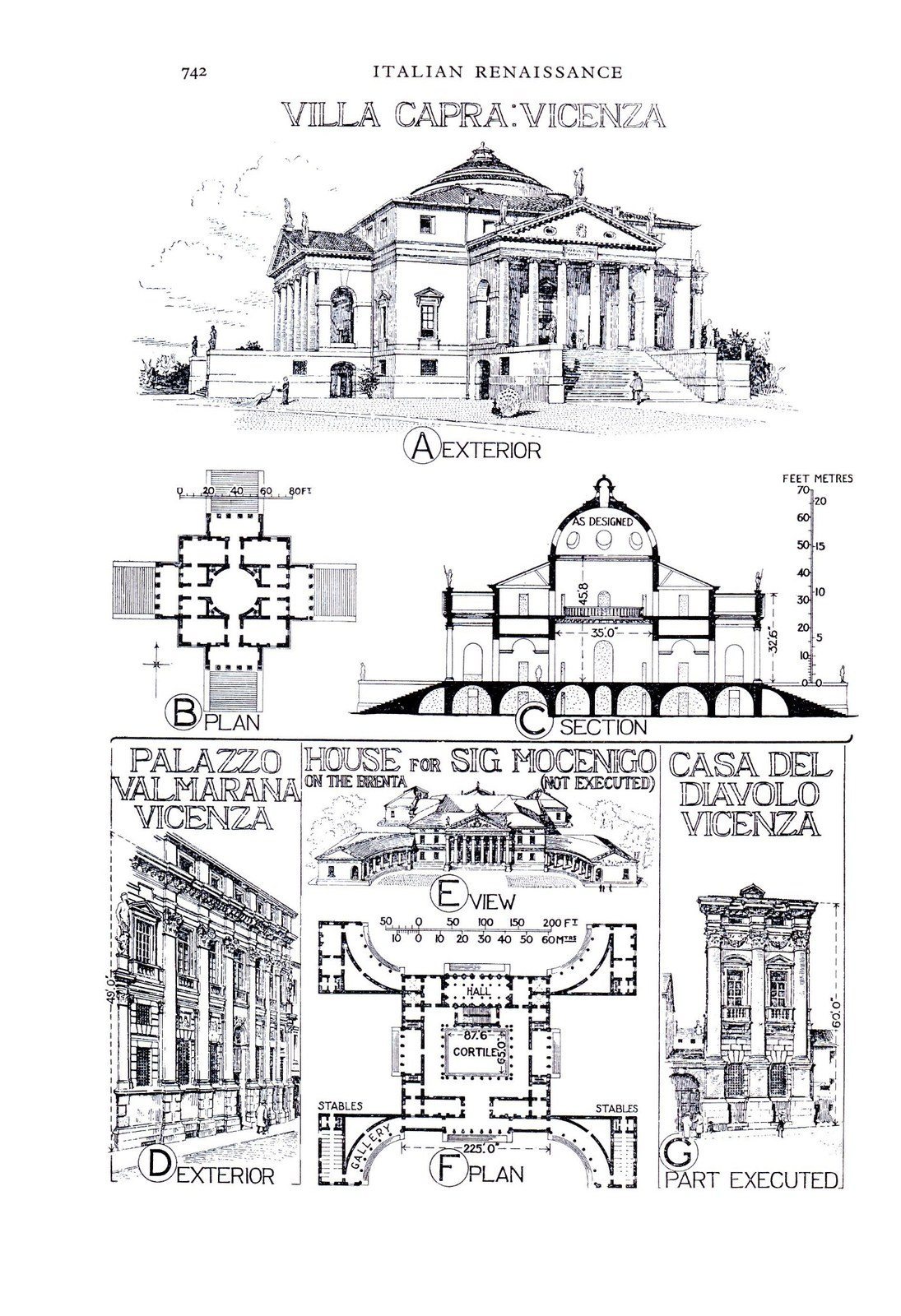
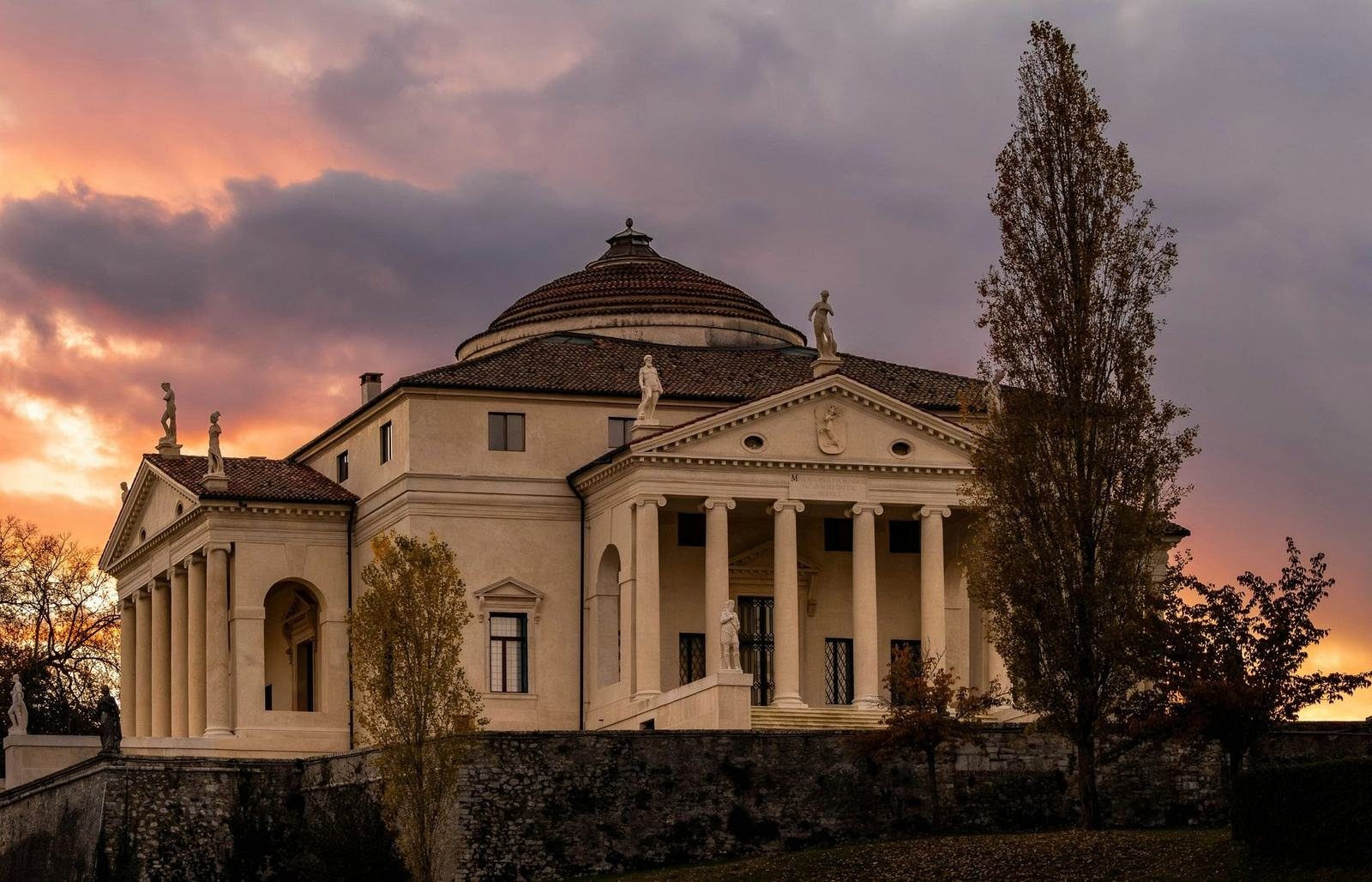
La Rotonda was the obvious prize. Palladio designed Villa Almerico Capra in 1566 for Paolo Almerico, a Vicentine cleric returning from Rome, with four classical porticoes opening towards the surrounding countryside and a circular hall at the centre. Losey assigned it to Don Giovanni, with Ruggero Raimondi moving through its rooms and grounds as the wealthy libertine of Mozart’s opera.
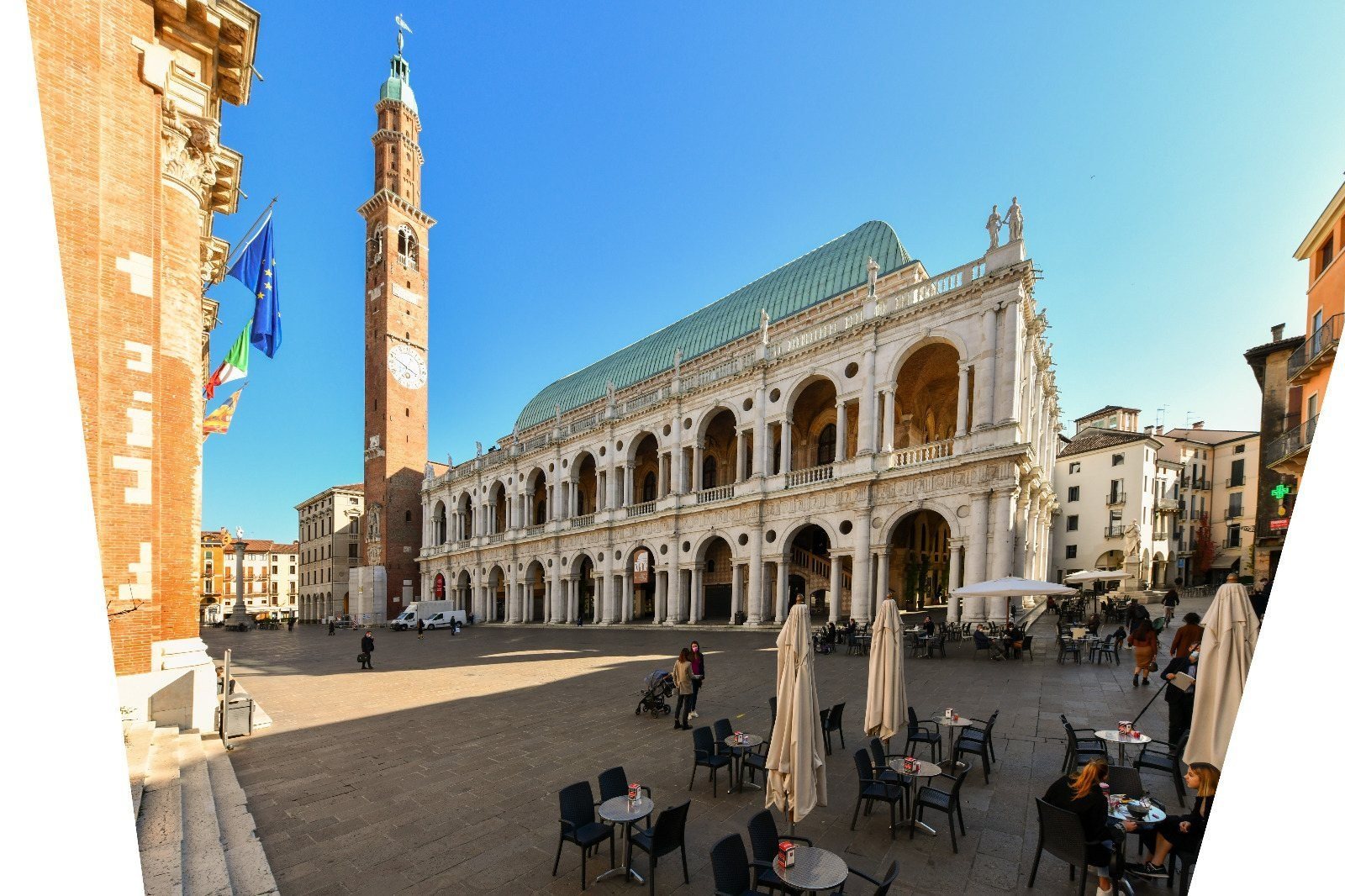
The rest of Vicenza became part of the same production design. Kiri Te Kanawa’s Donna Elvira occupied Villa Valmarana ai Nani. Villa Caldogno was used for Donna Anna and the Commendatore. The Basilica Palladiana and Piazza dei Signori provided major urban scenes, while the Teatro Olimpico also appeared in the film. Additional sequences were filmed in Venice, Murano, Torcello and along the Brenta.
Opera made for the camera
Raimondi was joined by José van Dam, Kiri Te Kanawa, Edda Moser and Teresa Berganza, while Lorin Maazel conducted the musical recording in Paris. The performers later acted their roles on location to the existing soundtrack. Losey explained that the singers could perform at reduced vocal intensity during filming, allowing the camera to work much closer to their faces than a full operatic performance normally permits.
Alexandre Trauner received the César for production design, while Reginald Beck won for editing. Cineteca di Bologna later described the film as a major production in the history of Gaumont Italia and screened its 2010 restoration from the original camera negative. The BFI includes Don Giovanni in its selection of ten great opera films.
Why go
La Rotonda allows you to stand inside Don Giovanni’s house and continue through several other locations from the film without leaving Vicenza. Villa Valmarana ai Nani is less than a kilometre away, giving the film an unusually compact real-world itinerary.