The story
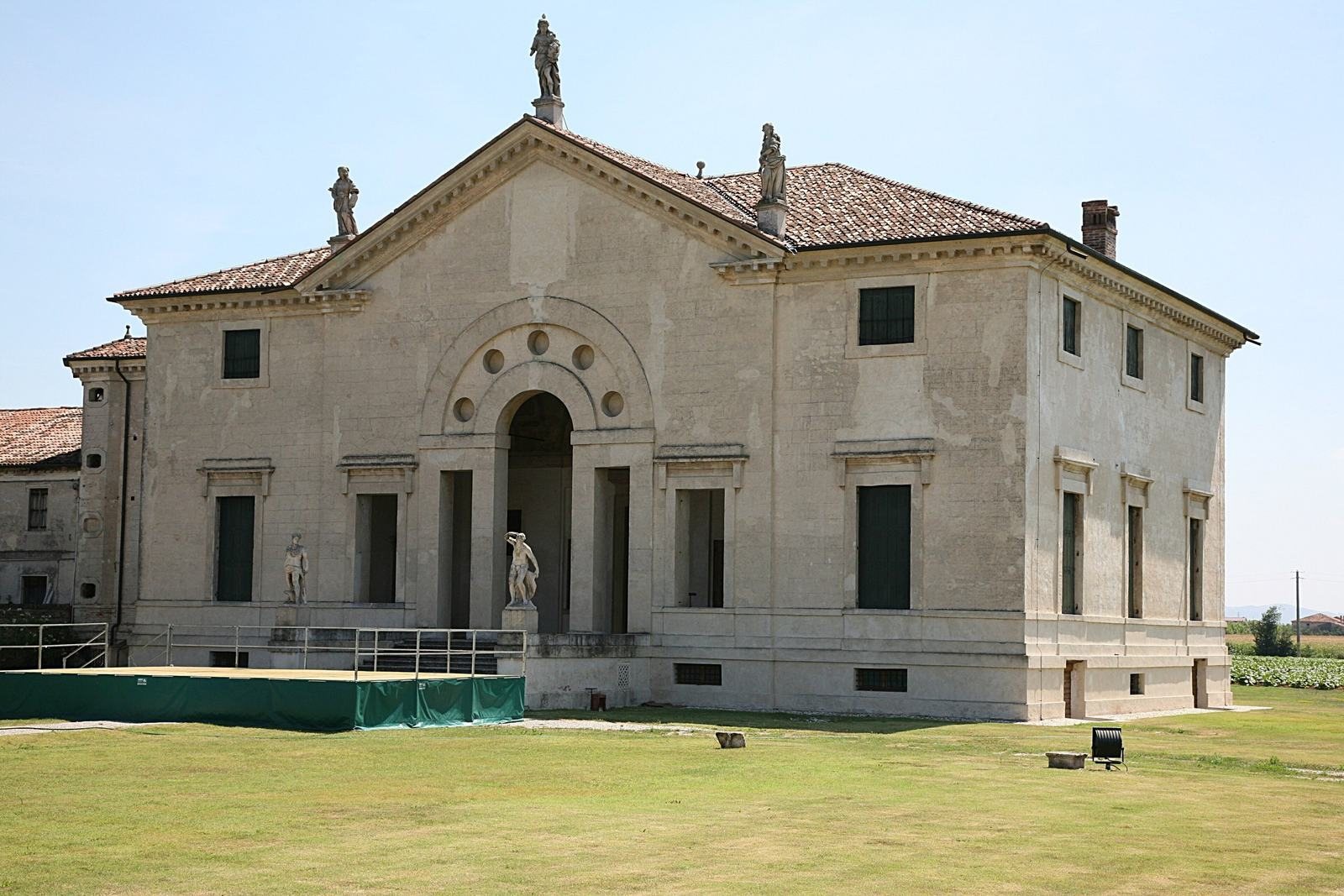
Most of Andrea Palladio’s surviving buildings remain concentrated in Vicenza, Venice and the Veneto. His architecture became international through a much smaller object.
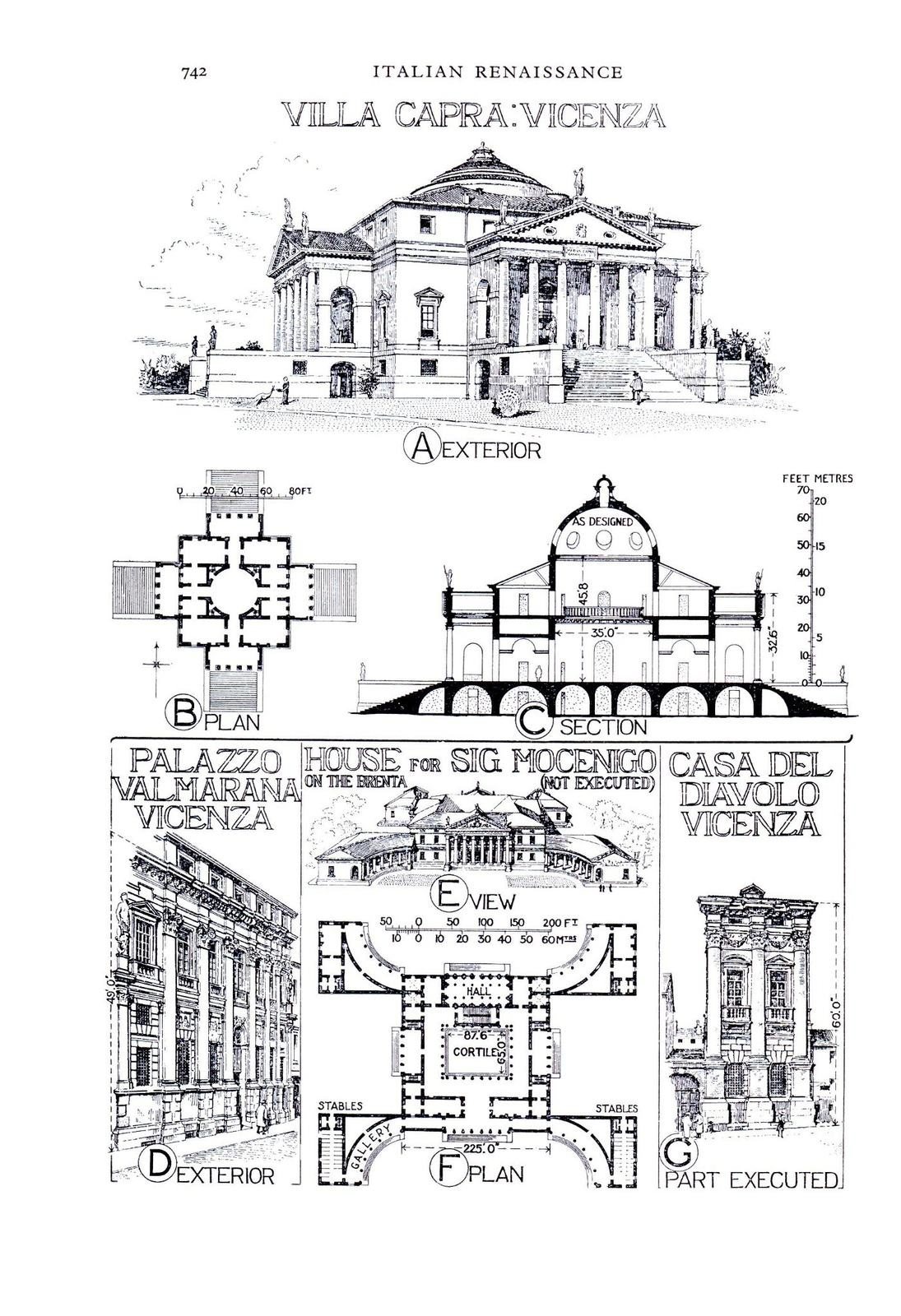
In 1570, at the age of sixty two, Palladio published I Quattro Libri dell’Architettura, The Four Books of Architecture, in Venice. The New Yorker has called it the first architectural monograph because Palladio did something unusual for an architect of his period: alongside construction methods, classical orders and his studies of Roman antiquity, he published a substantial portfolio of his own work. Plans, elevations, sections, dimensions and details allowed a reader who had never visited Vicenza to study his villas and palaces from a book.
Four books, 221 woodcuts
The format was unusually practical. Palladio wrote in accessible Italian, used terminology familiar to architects and craftsmen, and coordinated the text with 221 woodcut illustrations. Book One dealt with materials, construction and the classical orders.
Book Two presented houses and villas. Book Three moved into streets, bridges, piazzas and public architecture. Book Four contained Palladio’s surveys and reconstructions of ancient temples.
The international afterlife
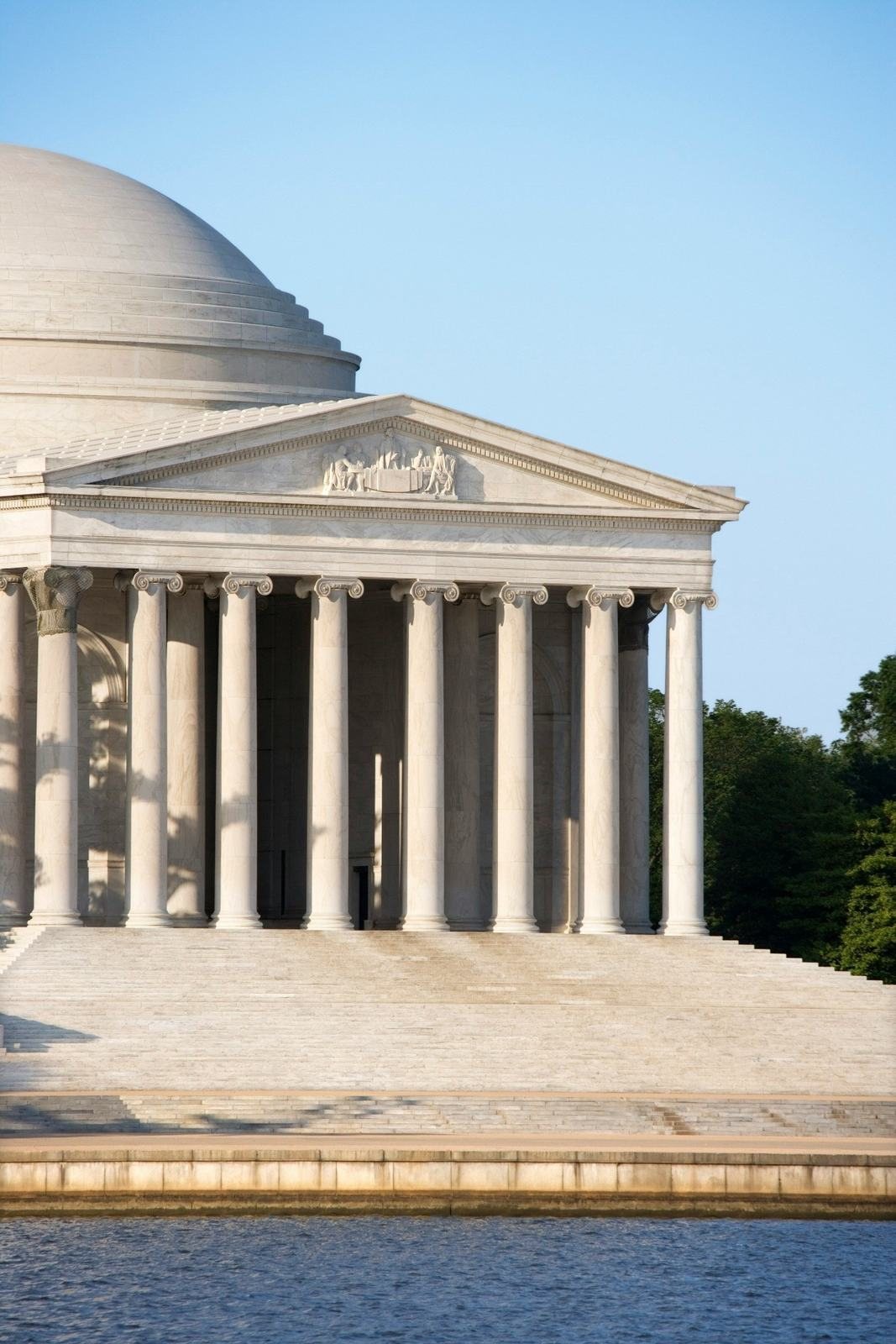
Inigo Jones studied Palladio closely and annotated his own copy of the Four Books. Lord Burlington helped establish Palladianism in eighteenth century Britain. Thomas Jefferson owned editions of Palladio and referred to his work as his “architectural bible”, using Palladian ideas at Monticello and the University of Virginia.
Paper and stone
There is an excellent reason to read the book in Vicenza. Palladio did not always publish his buildings exactly as clients had built them. He regularised and sometimes idealised his designs, presenting the architectural idea he wanted posterity to understand. The Four Books can therefore differ from the villa or palace standing in front of you today. Architectural historian Witold Rybczynski has pointed out that the publication omits much of what a visit restores, including colour, surrounding buildings and landscape.
Vicenza offers both versions, Palladio on paper and Palladio in stone.
Curiosities
Palladio published the Four Books only ten years before his death.
The book became an architectural passport that its author never possessed. Jefferson tried to reach Italy to see Palladio’s buildings and failed. Goethe made the pilgrimage and reached La Rotonda in 1786.
The original 1570 edition held by the Centro Internazionale di Studi di Architettura Andrea Palladio in Vicenza runs to 321 digitised pages.
The Metropolitan Museum of Art credits the book, more than Palladio’s buildings themselves, with establishing his international reputation.