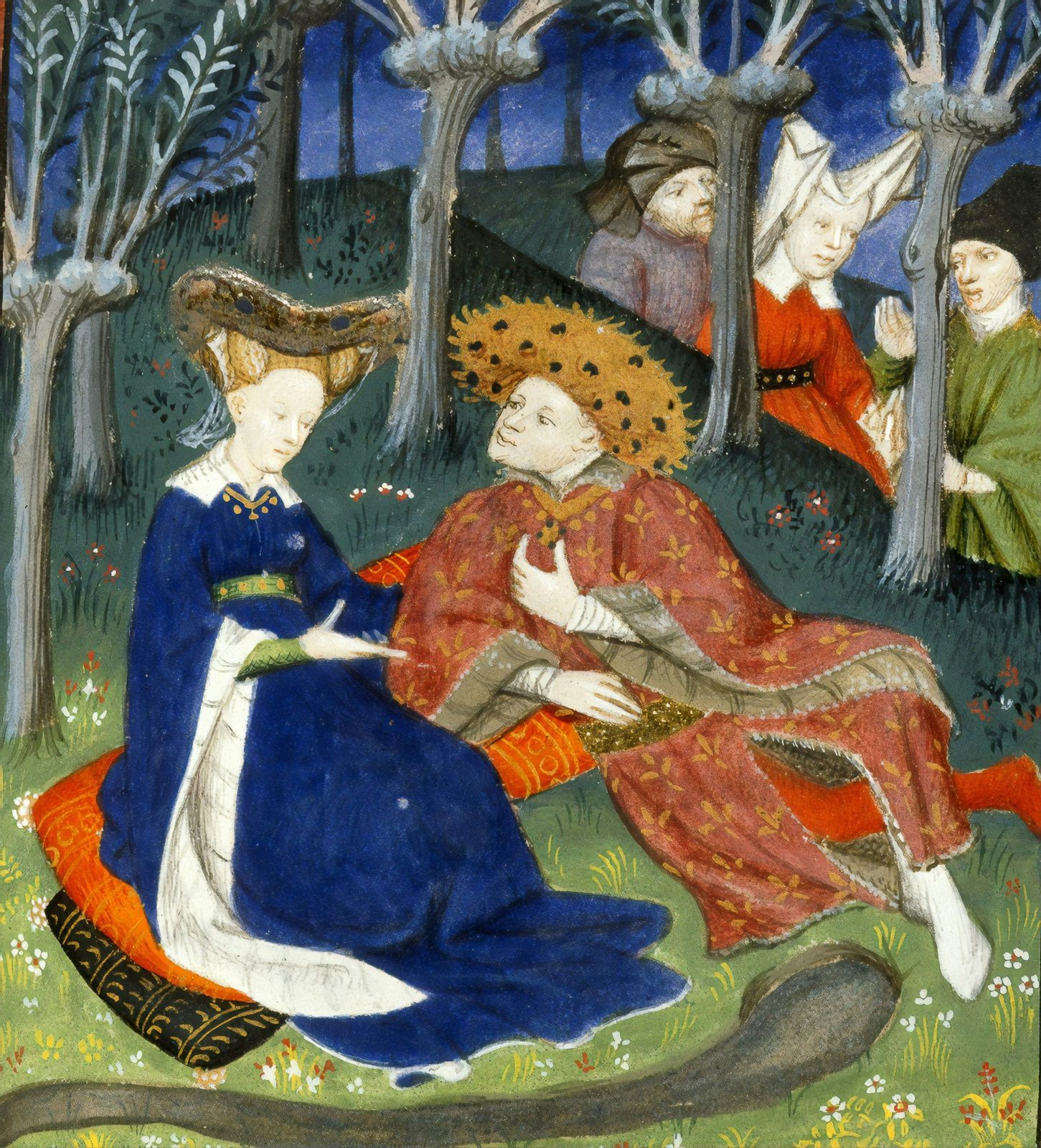
A lance wound, then Romeo and Giulietta
Luigi da Porto was born in Vicenza in 1485 and fought for the Republic of Venice during the War of the League of Cambrai. In 1511, a lance wound left him badly injured and ended his career as a cavalry captain. The years that followed were spent between Vicenza and Montorso Vicentino, where his family had property among the hills west of the city. Around 1524 he wrote Historia novellamente ritrovata di due nobili amanti, the novella now known as Giulietta e Romeo.
Da Porto already had much of the machinery that later made Shakespeare’s tragedy famous: Romeo and Giulietta, Verona, Montecchi and Cappelletti, a secret marriage, exile, the friar, the sleeping potion, the failed message and the tomb. The first known edition appeared shortly after Da Porto’s death.
Two castles above the vineyards
A few kilometres from Montorso, two medieval fortresses crown the ridge above Montecchio Maggiore. Their historical names are Castello della Villa and Castello della Bellaguardia. Today everyone here calls them Romeo’s Castle and Juliet’s Castle.
The two strongholds visible today are largely Scaliger constructions. Venice had them dismantled in 1514 during the same war that had already put an end to Da Porto’s military life. By the time he was writing Romeo and Giulietta, the fortresses had lost their defensive function but still dominated the hills nearby.
Rows of vines run beneath them, with the Veneto plain spreading out beyond the ridge. From Montorso, local tradition links Da Porto’s view of the two castles with the lovers in his novella. The Comune di Montorso records the tradition of the writer looking towards the Montecchio fortresses from the hill of La Fratta. The association belongs to local tradition, while Da Porto, Montorso and the two sixteenth century ruins are documented history.
The Montecchi and Cappelletti were already in Dante
Da Porto found the names of his feuding families in Dante.
Purgatorio mentions the Montecchi and Cappelletti among Italian factions divided by political conflict. Da Porto used those names for the families of Romeo and Giulietta, placing a new love story inside a recognisable medieval Italian feud. Treccani traces that literary connection directly from Dante to Da Porto.
For anyone searching for the origin of Romeo and Juliet, this is one of the details that usually disappears behind Shakespeare: Romeo, Giulietta, the Montecchi, the Cappelletti and Verona were already together in an Italian novella written by a man from Vicenza.
Four writers, three languages, before Shakespeare
The story soon acquired a European passport.
Matteo Bandello rewrote Da Porto’s novella and published his version in 1554. Pierre Boaistuau adapted Bandello into French in Histoires tragiques in 1559. Arthur Brooke used Boaistuau for The Tragicall Historye of Romeus and Juliet, published in England in 1562. Shakespeare used Brooke as his immediate source when he wrote Romeo and Juliet around 1595 or 1596. The Royal Shakespeare Company documents the sequence, while the Bibliothèque nationale de France records Boaistuau’s 1559 French edition.
Da Porto to Bandello. Bandello to Boaistuau. Boaistuau to Brooke. Brooke to Shakespeare.
By the time an Elizabethan audience met Romeo and Juliet on stage, the lovers had already passed through Italian, French and English print. A Folger Shakespeare Library catalogue record preserves an 1868 English edition of Da Porto under the direct title Original story of Romeo and Juliet.
Via San Valentino, because of course
Montecchio Maggiore has one detail that requires no literary embellishment at all.
Via San Valentino is a real road in the castle area. Municipal documents list it together with Via Ziggiotti and Via Castelli 4 Martiri, the road serving the two fortresses.
Saint Valentine has no documented role in Da Porto’s novella. The street name has its own local history. The coincidence remains delicious: the road network around the castles associated with Romeo and Giulietta includes a street named after the patron saint of lovers.
The castles still play Romeo and Juliet
Montecchio has made the legend part of the town’s calendar as well as its map.
Montecchio Medievale, La Faida brings the feud back to the castle area with historical performances and the annual selection of a new Romeo and Juliet. In 2026, applications for the two roles opened on 14 February, Saint Valentine’s Day. The chosen pair represents Montecchio Maggiore during the following year.
The Castello della Villa, Romeo’s Castle, can also be visited on scheduled opening days. The Castello della Bellaguardia, Juliet’s Castle, houses a restaurant. Their official address is Via Castelli 4 Martiri, Montecchio Maggiore.
So the Romeo and Juliet trail around Vicenza has something better than a single literary plaque. It has the house and hills associated with Luigi da Porto at Montorso, two medieval castles above the vineyards at Montecchio Maggiore, the European publishing trail that eventually reached Shakespeare, and Via San Valentino nearby. You know Romeo and Juliet. You just never knew the road to Shakespeare began in Vicenza.
SOURCE AND CURRENT INFORMATION
- Royal Shakespeare Company · Dates and Sources, Romeo and Juliet
- Cambridge University Press · Romeo and Juliet, Updated Edition
- Folger Shakespeare Library · Original story of Romeo and Juliet, Luigi da Porto
- Cambridge Core · PMLA · Da Porto’s Deviations from Masuccio
- Cambridge Core · PMLA · Shakespeare’s Deviations from Romeus and Iuliet
- Bibliothèque nationale de France · Pierre Boaistuau, Histoires tragiques, 1559
- Cambridge University Press · Romeo and Juliet literary source tradition