Home › Eat › Food experiences › Capovilla Distillati
EAT BEYOND THE OBVIOUS
Up to 60 kilos of wild fruit for one litre of spirit
Rare berries, wild pears and forgotten fruit become some of Vicenza’s most distinctive distillates
Rare berries, wild pears and forgotten fruit become some of Vicenza’s most distinctive distillates
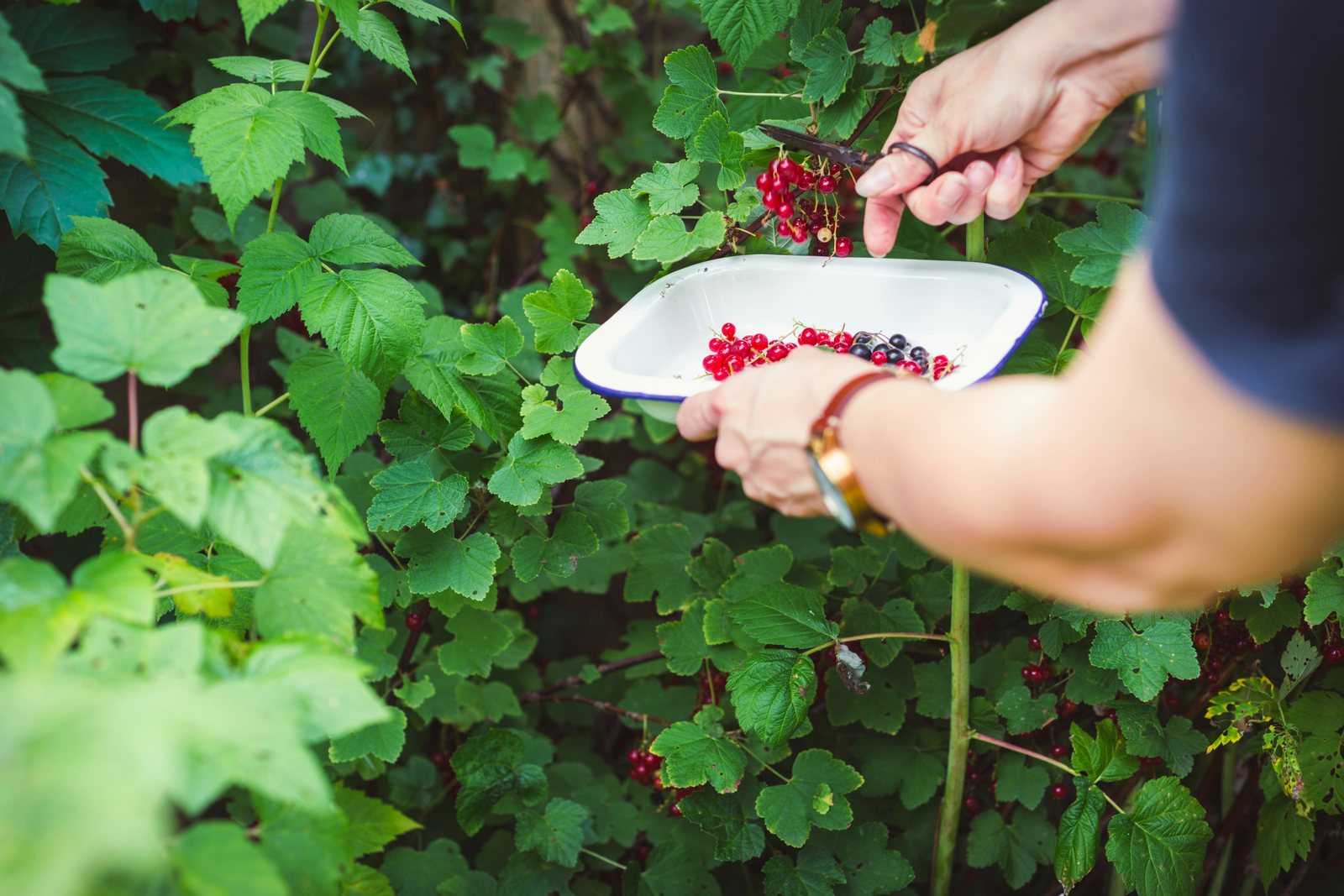
Margaret Jaszowska · Unsplash
Know before you go
Visits and tastings are by appointment on. Capovilla is in Rosà, north east of Vicenza and a short drive from Bassano del Grappa. Use Via Giardini 12, Rosà, but the practical entrance to the distillery is from Via Puccini.
About
At Capovilla, some bottles begin with quantities of fruit that sound almost unreasonable. Certain distillates can require up to 60 kilos of raw material for a single litre. The starting point may be elderberries, Cornelian cherries, sloes, rose hips, wild raspberries or tiny wild pears, with some fruits available only in particularly good years. The fruit is fermented and distilled in small copper bain marie stills, then rested in stainless steel and diluted with spring water from Monte Grappa. For the rare and spontaneous fruit collection, Capovilla still searches valleys, woods and mountains for varieties that have largely disappeared from everyday shopping.
VISIT THE DISTILLERY + BOOK A TASTING ↓
Capovilla Distillati
Via Giardini 12
36027 Rosà, Vicenza
Entrance from Via Puccini
Phone +39 0424 581222
Visits and tastings are available Monday to Friday by advance appointment.
THE STORY
At Capovilla, the tasting can begin with fruits you may never have ordered, or even recognised.
There are Cornelian cherries, small tart red fruits from the dogwood tree, sloes, the dark astringent berries of blackthorn, rowan berries, rose hips, wild raspberries, blackcurrants, bilberries, sea buckthorn and tiny wild pears that Capovilla describes as hard enough to be eaten mainly by wild boar and roe deer. Some bottles appear only in rare years, because the fruit itself does.
The quantities explain the obsession. Capovilla says its pure distillates can require 30 to 60 kilos of raw material for a single litre. Elderberry spirit alone needs around 60 kilos of berries. Quince can require the same.
Fruit is picked ripe, crushed or pitted, then left to ferment spontaneously with its own indigenous yeasts. It is distilled twice in small copper bain marie stills, rested in stainless steel and finally diluted with spring water from Monte Grappa. No sugar or flavouring is added to the fruit distillates.
Vittorio Capovilla built this approach after discovering the Central European culture of fruit distillation during work trips through Austria, Germany and Switzerland in the 1970s. Today Gambero Rosso describes him as one of the world’s finest distillers, while Identità Golose calls him a reference point for fruit spirits and spontaneous fermentation.
Why go: to taste fruit varieties that have almost disappeared from everyday shopping, distilled by someone who has spent decades looking for them.