Home › Places › Museums & antique books › Museo Naturalistico Archeologico
ROMAN MYSTERIES · VICENZA
Inside Vicenza’s former Inquisition, a lost Roman theatre and 6,000 years of local history
A lost Roman theatre, Neolithic finds, Bronze Age traps and one mysterious imperial portrait
Inside the former Dominican complex of Santa Corona, Vicenza’s archaeology museum compresses roughly 6,000 years of local history into one visit. Neolithic finds from Lake Fimon, Bronze Age objects, Longobard jewellery and sculptures from the lost Roman Theatre of Berga sit inside buildings once tied to the city’s Inquisition. The result is one of the most unexpected ways to read Vicenza, from prehistoric settlements to Roman monuments that vanished beneath the modern city.
You have saved two places. Leave your email and you will find them on any device, plus the next drop.
Nicola Quirico, CC BY-SA 4.0 via Wikimedia Commons
Know before you go
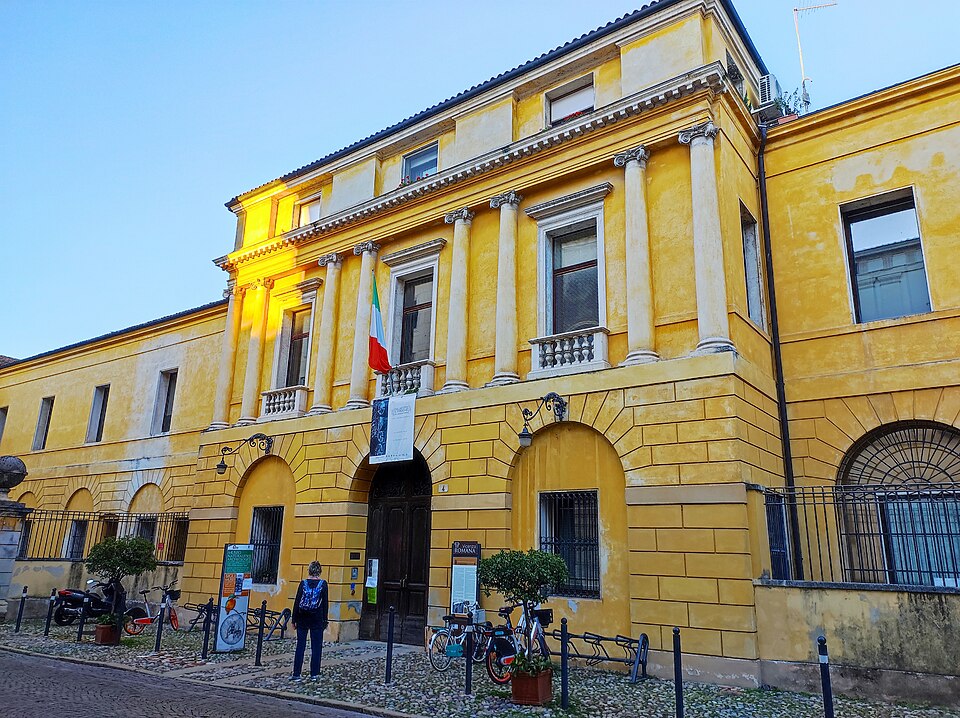
The museum is in the former Dominican complex beside Santa Corona. Opening hours vary seasonally, so check the current Musei Civici schedule before travelling. Phone +39 0444 222815 Email museonatarcheo@comune.vicenza.it
About
The museum’s archaeological collection begins long before Roman Vicenza. Finds from Lake Fimon record Neolithic communities living around the wetlands, while Bronze Age material includes objects from the surrounding territory and reconstructions of the wooden traps once used for deer and roe deer.
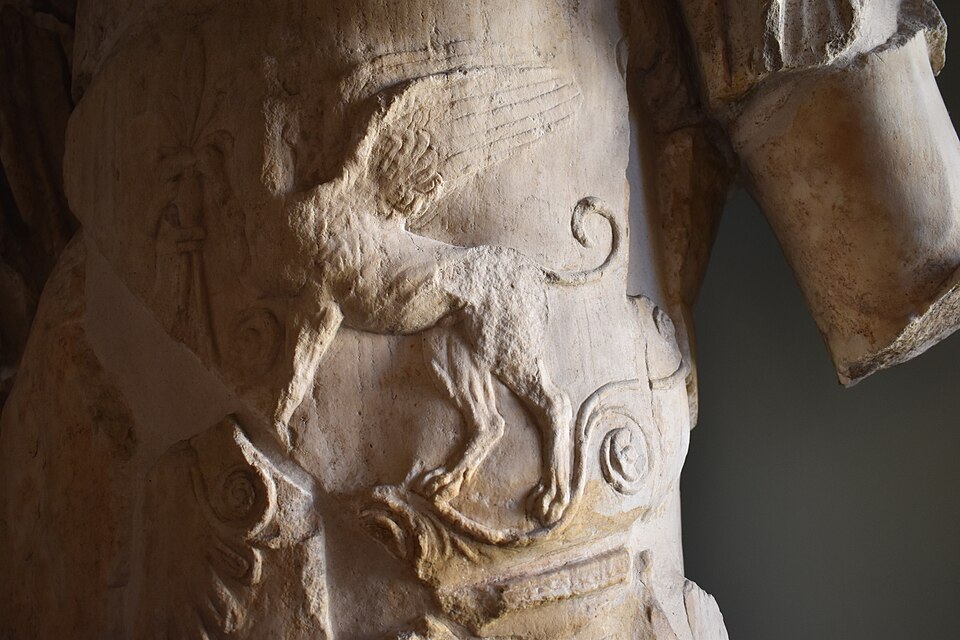
The Roman section is the real surprise. Sculptures recovered from the Teatro di Berga, the large Roman theatre that once stood in the city, preserve fragments of a monument that has almost completely disappeared from the modern streetscape. Among them is a male bust that may represent Nero as Jupiter, one of the museum’s most intriguing pieces.
The same building adds another layer of history. The Dominican complex beside Santa Corona was associated for centuries with Vicenza’s Ufficio della Sacra Inquisizione, the local Office of the Holy Inquisition. Today those rooms hold the city’s archaeological and natural history collections, so a visit moves from prehistory to Rome, from medieval Vicenza to the Berici Hills, all under one roof.
THE STORY
The setting has a darker history than the museum name suggests. The Dominican convent of Santa Corona became home to Vicenza’s Inquisition in 1303, when Pope Boniface VIII entrusted the office to the Dominicans. In 1327 the city even granted additional land for a dedicated inquisitorial building. The tribunal remained connected with Santa Corona until Napoleon suppressed it in 1797. Documents from the Vicenza office, dating from 1540 to 1787, still survive in the State Archive. The museum arrived much later, in 1991, when Vicenza’s archaeological and natural history collections were transferred from Palazzo Chiericati into the former Dominican cloisters. The result is a wonderfully peculiar chronology, rooms associated with medieval religious control now preserve evidence of people who lived around Vicenza thousands of years before the Inquisition existed.
THE BRONZE AGE DEER TRAPS
One of the stranger objects refers to five wooden traps discovered in the Valle della Fontega, “Fontega Valley”, during the nineteenth century. They were designed to catch deer and roe deer and are generally attributed to the Bronze Age. The originals were destroyed during the Second World War, but the museum displays a wooden reconstruction showing how they worked
THEN LOOK TOWARDS THE BERICI
The natural history rooms continue outside the city, into the limestone, caves, wetlands and woods of the Colli Berici, “Berici Hills”. The museum has spent decades documenting local wildlife, fossils, plants and several species found only within very restricted areas. Its scientific collections include thousands of insects, birds, amphibians and reptiles, together with Quaternary bones recovered during peat digging in the Fimon Valleys. There is another piece of museum lore here. Allied bombing in 1945 destroyed almost all of Vicenza’s old natural history collections. Only two historic palaeontological collections were recovered from the ruins, so much of what you see today was patiently assembled again afterwards.