Home › Places › Nature & trails › Oasi WWF degli Stagni di Casale “Alberto Carta”
URBAN WETLAND · BIRDWATCHING · VICENZA
How an industrial landscape became an oasis: walk through a unique Vicenza WWF wetland.
24 hectares of reed beds, ponds and wet woodland inside a European Natura 2000 site
On the eastern edge of Vicenza, twenty four hectares of former clay quarries have become a protected wetland of ponds, willow woodland and the largest intact reed bed in the province. The WWF Oasi degli Stagni di Casale is now part of the European Natura 2000 network, with paths and observation points for seeing the birdlife that recolonised the abandoned pits.
You have saved two places. Leave your email and you will find them on any device, plus the next drop.
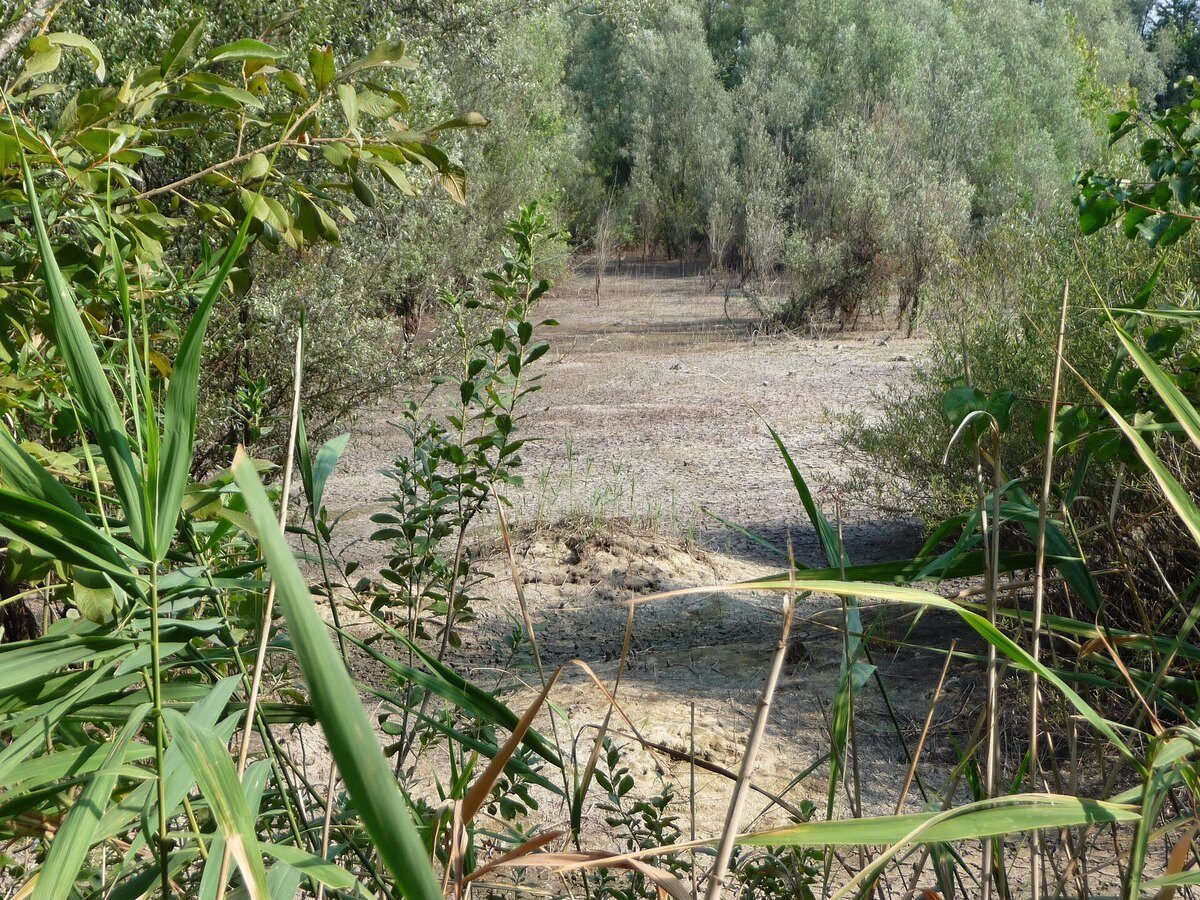
Marcok · CC BY-SA 3.0 · Wikimedia Commons
Know before you go
The WWF oasis has seasonal opening days and hours. Check the current programme before travelling, particularly outside spring and early summer. Entrance opposite the ARPAV building · large car park Phone +39 389 5374115 Email, visits and groups stagnicasale@wwf.it WWF Vicenza Padova vicenzapadova@wwf.it
About
Five minutes from central Vicenza, a former clay quarry has become a 24 hectare wetland of reed beds, open water and willow woodland.
Clay was extracted here from 1954 until the 1980s. When the pits were abandoned, shallow groundwater filled the excavations and wild vegetation moved in. Birds followed. Today the former industrial site contains the largest and best preserved reed bed in the province of Vicenza and forms part of the European Natura 2000 network.
A wooden boardwalk crosses the marsh, with observation hides overlooking the water. Spring is especially good for birdlife, while the reserve records species ranging from purple heron and little bittern to kingfisher, bittern and osprey.
The oasis bears the name of Alberto Carta, 1962 to 1992, a young physicist from Vicenza and member of the Italian Alpine Club who worked on the planning and creation of the reserve.
THE STORY
Until 1954 this was farmland, with maize, vineyards and meadow.
Then Fornace Serenissima, “Serenissima Brickworks”, began extracting clay. Digging continued through the following decades, leaving a series of deep excavations across the landscape. When quarrying gradually ended during the 1980s, with residual activity continuing until around 1990, groundwater rose into the abandoned pits. Reeds, willows and wetland vegetation colonised the edges almost immediately.
By the late 1980s, local naturalists and WWF members were campaigning to protect what had become an unexpectedly valuable wetland. The Comune di Vicenza bought the area, work on the oasis began in 1996, and it was inaugurated in 1998.
There is still a small ghost of the pre quarry landscape inside the reserve, wild vines descended from the vineyards that grew here before the clay extraction began.
Bring binoculars ↓
Birdwatching at Stagni di Casale
The wider Ex Cave di Casale, “Former Casale Clay Pits”, Natura 2000 site protects 27 species listed under the European Nature Directives. Water and reed beds make Casale particularly valuable for wetland birds. WWF records a rich bird population associated with the different habitats of the reserve, while the protected reed bed provides feeding, shelter and breeding territory within a heavily urbanised part of the Vicenza plain.
Plan your visit ↓
Visiting the WWF oasis
The entrance is in Via Zamenhof in Vicenza's eastern industrial area, opposite ARPAV, with a large car park nearby. The reserve has a broad easy walking route, wooden boardwalks and birdwatching hides.